Deer Collisions in Montgomery County: Repair and Claims
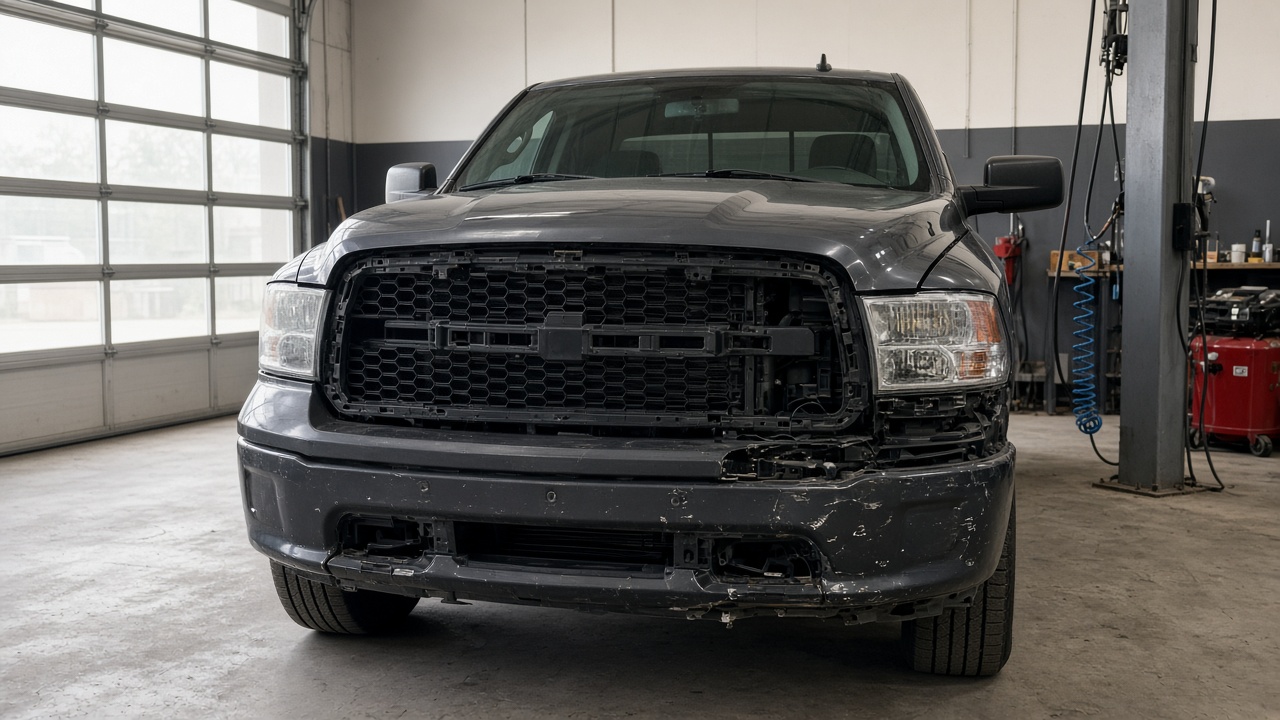
Fall brings more deer onto Montgomery County roads. Breeding season keeps them moving, shorter days put more commuters on the road at dawn and dusk, and the wooded stretches around Lake Conroe and the Sam Houston National Forest put drivers close to deer habitat every day. A deer strike can do more damage than it first appears. This guide covers what to do right after hitting a deer, what damage to look for, how insurance usually handles it and what a proper repair involves.
What to do right after hitting a deer
Pull over somewhere safe and turn on your hazard lights. Do not approach an injured deer, because a frightened animal can kick and cause serious injuries. Call police if the deer is blocking the road, if anyone is hurt or if the damage is significant. Take photos of your car, the scene and the road before anything is moved. Those photos help your insurance claim and help the shop understand the impact.
Before you drive away, walk around the car. Check that the headlights and turn signals work, look under the front for dripping coolant or other fluids, and make sure the hood is latched and the tires and wheels are not rubbing on damaged parts. If anything looks wrong, have the car towed instead of driving it.
Common deer collision damage
Most deer strikes hit the front of the car. Typical damage includes:
- Bumper cover, grille and bumper reinforcement
- Headlights, fog lights and their mounting brackets
- Hood, fenders and the hood latch
- Radiator, A/C condenser and the support that holds them
- Front sensors and cameras used by driver-assistance systems
A cracked bumper cover is easy to see. A bent radiator support or a punctured condenser is not, and it can lead to overheating or A/C failure weeks later if it is missed.
How insurance usually handles deer strikes
Hitting an animal is usually covered under comprehensive coverage, not collision. That can mean a different deductible than you expect, so check your policy before you file. If you swerved to avoid a deer and hit something else instead, such as a guardrail or another car, the claim may be handled as a collision claim. Your agent or insurer can tell you which coverage applies and what your deductible is.
In Texas you have the right to choose the shop that repairs your car. Your insurer may suggest a shop, but the decision is yours. Read more in our guide to choosing your own body shop in Texas.
What a proper deer collision repair involves
A good repair starts with taking the front of the car apart far enough to see everything behind the bumper cover. Technicians check the radiator, condenser, brackets and supports, and measure the structure if the impact was hard enough to move it. Damaged parts are repaired or replaced, panels are refinished and color matched to the rest of the car, and any front sensors or cameras are checked and calibrated when the repair requires it. If the frame or unibody was pushed out of position, frame straightening brings it back to specification. Learn more about our collision repair process.
What to expect when you bring your car to SS Paint & Body
We work with drivers from Conroe, Montgomery, The Woodlands, Willis, Magnolia and Spring, and the process is the same for every repair.
We start by listening. Tell us what happened and what you have noticed, such as noises, warning lights or panels that do not line up. That helps us look in the right places.
We document everything. Photos and notes go into your file and, for insurance claims, to the adjuster. Good documentation helps avoid delays and makes sure hidden damage is covered.
We explain your choices. We walk through repair-versus-replace decisions, parts options and timing in plain language before work starts.
We keep you updated. You will hear from us when parts arrive, when supplements are approved and when the car is ready.
We stand behind the work. Repairs are completed by I-CAR Gold Class trained technicians and backed by our Limited Lifetime Workmanship Warranty.
Avoiding deer on local roads
Deer are most active around dawn and dusk, especially in the fall. Slow down on wooded roads, use your high beams when there is no oncoming traffic and watch for more than one deer, because they often travel in groups. If a collision cannot be avoided, brake firmly and stay in your lane. Swerving can lead to a more serious crash with another car or a tree.
Frequently asked questions
Is hitting a deer covered by insurance?
Usually, under comprehensive coverage rather than collision. Check your policy for your deductible and coverage details.
Should I drive my car after hitting a deer?
Only if it is safe. Check for leaks, working lights, a latched hood and normal steering first. If anything seems wrong, have it towed.
What damage is common in a deer collision?
Bumpers, grilles, headlights, hoods, fenders, radiators, A/C condensers and front sensors.
How long will my repair take?
It depends on the damage, parts availability and insurance approval. We give you an estimated timeline and keep you updated as the repair moves along.